Tips for taking better photos in natural light
Photography is an art that requires patience, skill, and a keen eye for detail. When it comes to taking photos, natural light is often the best option to create stunning and authentic images. But how can you ensure that your photos taken in natural light are the best they can be? Here are some tips to help you take better photos in natural light:
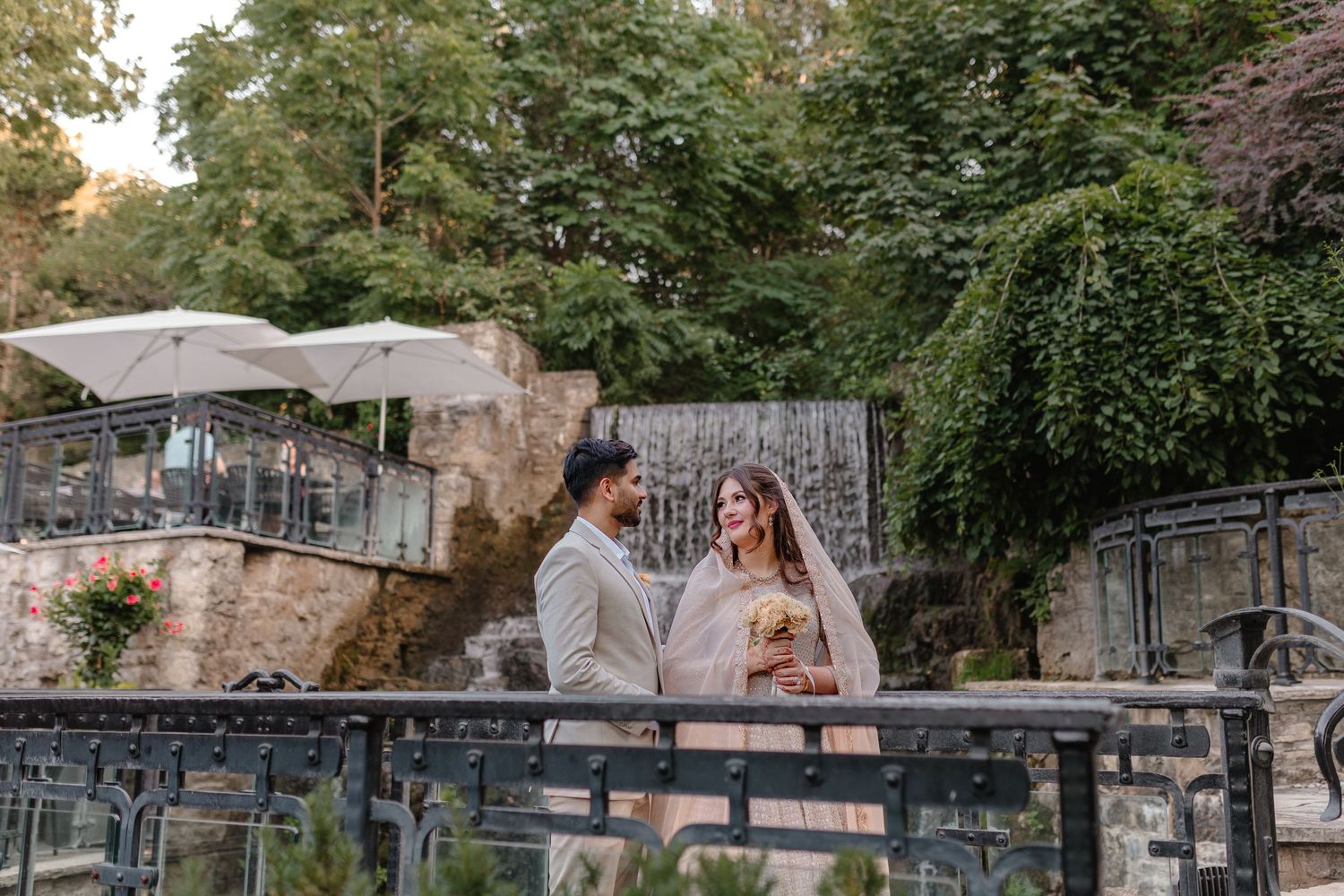
- Choose the right time of day: The best time to take photos in natural light is during the golden hour, which is the hour after sunrise or the hour before sunset. This is when the light is soft and warm, and creates a beautiful glow that is perfect for photos.
- Find the right location: Look for locations that have natural light sources, such as large windows or outdoor areas that are shaded but still bright. This will ensure that your subject is well-lit without harsh shadows or overexposure.
- Pay attention to your subject's face: The angle and direction of the natural light can have a big impact on your subject's face. Position your subject so that the light is coming from the side or slightly above, which will create natural highlights and shadows that add depth and texture to the image.
- Use a reflector: If the natural light is too harsh or uneven, use a reflector to bounce the light back onto your subject's face. This will help to fill in any shadows and create a more even and flattering light.
- Experiment with different poses and angles: Don't be afraid to experiment with different poses and angles to find the most flattering and interesting shot. Move around your subject and try different angles to capture their personality and unique features.
- Pay attention to the background: The background can make or break your perfect shot, so make sure to choose a background that complements your subject and doesn't distract from the image. Look for simple and uncluttered backgrounds, or use depth of field to blur out any distracting elements.
- Consider the weather: Overcast or cloudy days can also provide beautiful natural light for your photos, as the clouds act as a diffuser, creating soft and even light. However, if the weather is too bright or harsh, look for areas of shade to create more flattering light.
- Use a fast lens: Using a lens with a low aperture (such as f/1.8 or f/2.8) can help to create a shallow depth of field, which will blur the background and create a more focused and intimate shots.
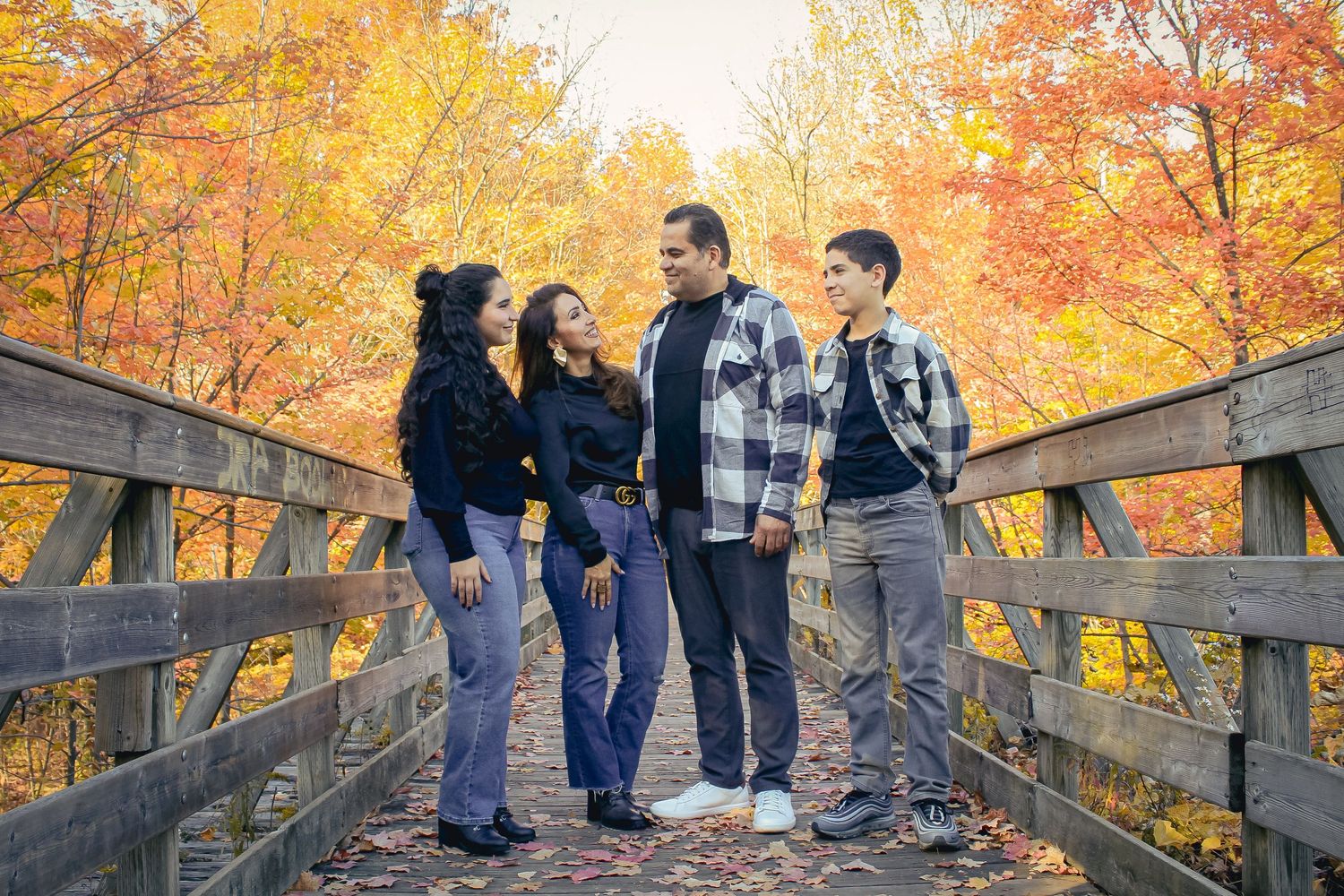
- Be aware of the color temperature: Different light sources have different color temperatures, which can affect the overall look and feel of your photos. For example, natural light during the golden hour tends to have a warm, yellow-orange hue, while shade or overcast light can have a cooler, bluish tone. Be aware of these color temperature shifts and adjust your camera's white balance or edit the image in post-processing to ensure that the colors in your photos look natural and pleasing to the eye.
- Edit your images: Editing your images can help to enhance the natural light and bring out the best in your classic shots. Use editing software to adjust the exposure, contrast, and color balance to create a polished and professional-looking image.
By following these tips, you can take better photos in natural light that capture the beauty and personality of your subject. Remember, practice makes perfect, so keep experimenting and learning to improve your skills and create stunning photos.